If you have ever received a mailer from a utility company or an insurance agency offering sewer line protection, you have probably wondered whether it is actually worth the money or just another recurring expense that rarely pays off. That is a fair question, and the honest answer is: it depends on your home, your pipes, and your financial situation.
Here is the direct answer to start:
Sewer line insurance is worth it if your home is older than 30 years, you have mature trees near your sewer lateral, or you do not have several thousand dollars available for an unexpected repair. It is likely not worth it if your home has modern PVC pipes, you are in a low-risk area, or you already maintain a solid emergency fund.
That summary covers the basics, but the real value of this guide is in the details. The fine print on sewer line insurance policies varies enormously, and understanding what is and is not covered before you buy can save you from a nasty surprise when you actually need to file a claim.
What Is Sewer Line Insurance and How Does It Work?
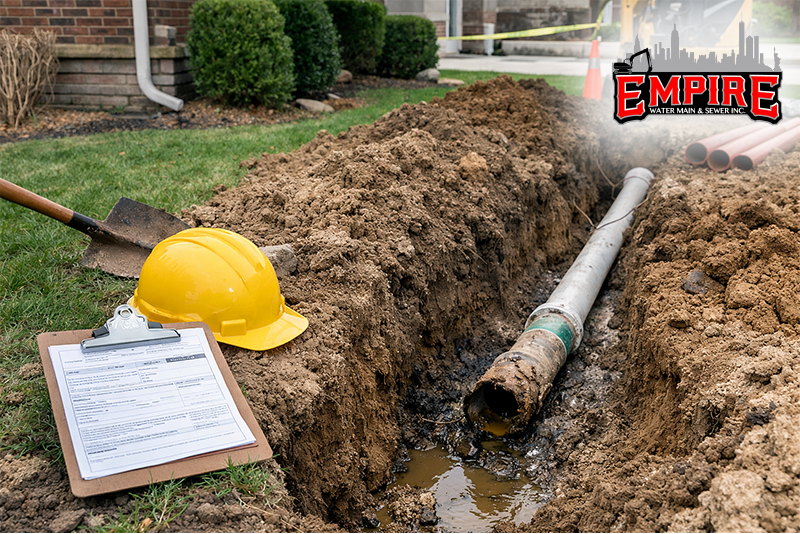
Sewer line insurance is a type of coverage that protects homeowners from the cost of repairing or replacing the sewer lateral, which is the underground pipe that runs from your home’s plumbing system out to the municipal sewer main at the street. This section of pipe sits entirely on private property, which means it is entirely your financial responsibility when something goes wrong.
Most homeowners do not think about this pipe until it fails. And when it does fail, the repair bill tends to be significant, often running between $3,000 and $10,000 or more depending on the length of the line, the depth of the pipe, and the method of repair or replacement required.
Sewer line insurance is typically offered in one of two forms. The first is a standalone policy or protection plan sold by third-party warranty companies or utility providers. The second is a service line coverage endorsement that you add to your existing homeowners insurance policy. These two options work very differently, and the distinction matters a great deal when it comes to actually getting a claim paid.
Coverage is usually triggered when the sewer pipe experiences a covered failure, such as a collapse, a crack caused by shifting soil, or damage from tree root intrusion. You file a claim, the company approves it, and the repair gets completed, often by a contractor approved by the insurer rather than one you choose yourself.
What Does Sewer Line Insurance Cover?
Coverage varies by policy, but most legitimate sewer line insurance plans cover the following:
Sewer line repair: When a section of the pipe cracks, breaks, or becomes blocked due to a covered cause, the policy covers the cost of repairing that section of pipe.
Sewer line replacement: If the damage is too extensive for a targeted repair, the policy should cover the cost of replacing the affected portion of the line, or in some cases the full lateral.
Excavation costs: Digging up the ground above a damaged pipe is one of the most expensive parts of the job. Good policies cover excavation as part of the overall repair cost rather than treating it as a separate expense.
Yard and landscaping restoration: After excavation, the disturbed soil, sod, and landscaping need to be restored. Better policies include this in the coverage. Others do not, which can leave you with a yard that looks like a construction zone even after the repair is paid for.
Root intrusion damage: Tree roots that grow into and damage the pipe are a covered cause under most sewer line protection plans, which is one of the more common reasons homeowners actually use the coverage.
The policies that stand out are those with clear, straightforward language about what is included and what the coverage limits are. Always ask specifically about excavation and restoration before signing up.
What Is NOT Covered? (Read This Before You Buy)
This is where many homeowners run into trouble. Sewer line insurance sounds comprehensive on the surface, but exclusions can significantly limit its value in practice.
Pre-existing damage: Most policies will not cover damage that existed before the policy started. If your pipe already shows signs of deterioration on a camera inspection conducted after a claim is filed, the insurer may deny the claim on the grounds that the damage was pre-existing.
Gradual wear and deterioration: Some policies exclude coverage for damage that results from the slow aging of the pipe over time. This is a significant exclusion, because most sewer line failures are the result of gradual deterioration rather than a single sudden event.
Negligence or poor maintenance: If the damage can be attributed to a failure to maintain the system, some insurers use that as grounds for denial.
Certain pipe materials: Older materials like clay or Orangeburg pipe are sometimes explicitly excluded from coverage, which is an enormous problem given that homes with the oldest and most failure-prone pipes are exactly the ones most likely to need the coverage.
Coverage limits that do not match actual costs: A policy might cap coverage at $3,000 or $5,000, while a real sewer line replacement in a major metro area can easily cost $8,000 to $15,000. If the policy limit does not match what repairs actually cost in your area, you are left covering the gap out of pocket.
Consumer watchdog organizations, including Investopedia and various consumer advocacy groups, have flagged several third-party utility protection plans for misleading marketing and unusually high claim denial rates. This is not a reason to avoid all coverage, but it is a very good reason to read the policy carefully before signing.
Does Homeowners Insurance Cover Sewer Lines?
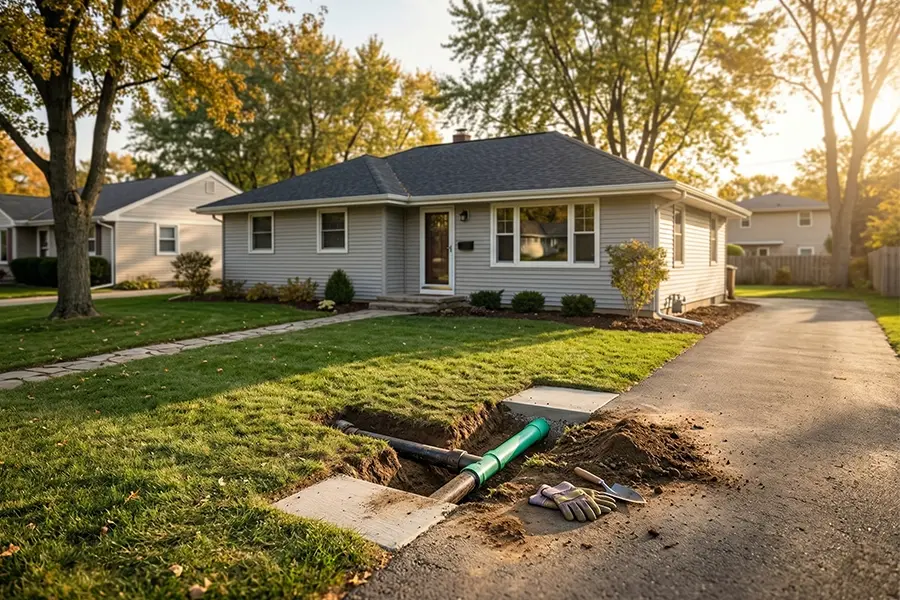
Standard homeowners insurance does not cover sewer line repair or replacement in most cases. A typical homeowners policy covers damage to your home’s structure and personal property from specific perils like fire, wind, and theft. Underground service lines are almost universally excluded from standard coverage.
There is one important exception worth knowing about: the service line endorsement. Many major homeowners insurers offer this as an add-on to your existing policy. A service line endorsement extends your coverage to include underground utility lines, including your sewer lateral, water line, and sometimes electrical and communication lines. This endorsement tends to be more reliable and more comprehensive than standalone third-party warranty plans, and it is often available for a relatively modest annual premium.
If you are shopping for sewer line protection, asking your current homeowners insurance carrier whether they offer a service line endorsement is a smart first step. The coverage is usually more straightforward and the claims process tends to be more consistent than going through a separate warranty company.
It is also worth noting that sewer backup coverage, which you may have seen offered as a separate endorsement, is not the same thing as sewer line insurance. Sewer backup coverage protects your home’s interior from damage caused by sewage backing up through drains. Sewer line insurance covers the pipe itself. These are two different products addressing two different problems.
How Much Does Sewer Line Insurance Cost?
Most sewer line insurance plans and service line endorsements cost between $50 and $200 per year. Some utility-company-offered plans sit at the lower end of that range, while comprehensive service line endorsements from homeowners insurers may cost slightly more but tend to offer better coverage.
To put that in perspective, a single sewer line repair job can cost anywhere from $1,500 for a minor targeted repair to well over $10,000 for a full replacement on a long line with traditional excavation. If something goes wrong and the policy covers the full cost of repair, even one claim in ten years would far outweigh the total premiums paid.
The math works in the policyholder’s favor when a legitimate claim gets approved and paid out in full. The math works against the policyholder when claims are denied, coverage limits fall short of actual repair costs, or the approved contractor charges significantly less than what an independent contractor would quote for the same job.
For a realistic sense of what sewer line repairs and replacements cost in your area, our breakdown of how much it costs to replace a sewer line covers current pricing in detail and can help you assess whether a policy’s coverage limits would actually be adequate.
When Sewer Line Insurance IS Worth It
There are specific situations where buying sewer line insurance or adding a service line endorsement makes a lot of sense.
Your home is more than 30 years old. Homes built before the mid-1990s are more likely to have clay, cast iron, or Orangeburg sewer pipes, all of which are past or approaching the end of their serviceable lifespan. A failure in these older pipe materials is not a question of if so much as when.
You have mature trees on or near your property. Tree root intrusion is one of the most common causes of sewer line damage. Large, established trees have root systems that can extend far beyond the visible canopy, and those roots are naturally drawn toward the moisture inside sewer pipes. If you have big trees anywhere near the path of your sewer lateral, your risk is meaningfully higher than average.
You do not have a sufficient emergency fund. A $5,000 to $10,000 unexpected expense is something many households are not prepared to absorb without significant financial stress. If a sewer line failure would genuinely put you in a difficult position, the peace of mind that comes from having coverage has real value.
You have already had sewer line issues. If you have had root clearing, camera inspections, or minor repairs done in recent years, that is a signal that the pipe is under stress. A line with a known history of issues is more likely to need significant work than one that has never been touched.
You live in an older urban neighborhood. In cities like New York and other older metros, aging underground infrastructure is a well-documented problem. If you are a New York homeowner with an older home on a tree-lined block, you are in exactly the demographic that sewer line coverage is designed for.
When Sewer Line Insurance Is NOT Worth It
Sewer line insurance is not the right call for everyone. There are situations where paying the annual premium makes less financial sense.
Your home has modern PVC pipes. Homes built after the mid-1990s typically use PVC for the sewer lateral. PVC is durable, resistant to root intrusion, and does not corrode. A 15-year-old home with PVC sewer lines is unlikely to need major sewer work for decades.
You maintain a strong emergency fund. If you have five to ten thousand dollars set aside specifically for home emergencies, you are effectively self-insuring already. The cost of a sewer line repair, while painful, would not be financially catastrophic for you.
You are in a low-risk area with newer infrastructure. Some neighborhoods have newer underground sewer infrastructure and fewer large trees. If camera inspections show your pipe is in good condition and your risk factors are low, the coverage may not be worth the recurring cost.
The available policy has poor coverage terms. If the only policy available to you has low coverage limits, significant exclusions, or a track record of claim denials, you are better off either finding a different policy or self-insuring than paying premiums on a plan that may not pay out when you need it.
Sewer Line Insurance vs Service Line Coverage: What Is the Difference?
This distinction trips up a lot of homeowners, and most of the content out there does not explain it clearly enough.
Third-party sewer line insurance or warranty plans are sold by companies that specialize in utility protection. These include programs marketed directly by utility companies through your water bill, as well as standalone warranty products sold by independent companies. The quality of these plans varies significantly. Some are legitimate and well-structured. Others have earned criticism for restrictive fine print, low coverage caps, limited contractor networks, and high claim denial rates. Consumer advocacy organizations have issued specific warnings about some of these programs.
Service line endorsements are add-ons to your existing homeowners insurance policy, sold by the same insurer who covers your home. These endorsements tend to have clearer terms, are governed by the same insurance regulations as your main policy, and go through the same claims process you are already familiar with. For most homeowners, a service line endorsement from a reputable homeowners insurer is a more reliable option than a third-party warranty plan.
The bottom line: if you are going to purchase sewer line protection, a service line endorsement through your homeowners insurer is generally the more trustworthy option. It is worth investigating whether your current insurer offers this before shopping third-party plans.
What Causes Sewer Line Damage?
Understanding what actually damages sewer lines helps you assess your own risk level and make a more informed decision about whether coverage makes sense for your property.
Tree root intrusion is the single most common cause of residential sewer line damage. Roots from trees and large shrubs actively seek moisture, and the joints and small cracks in older sewer pipes provide exactly that. Once roots enter the pipe, they continue to grow and can eventually cause blockages, cracks, and full collapses.
Pipe corrosion and aging affect older cast iron and clay pipes significantly. Cast iron corrodes over time, developing rough interior surfaces that catch debris and eventually corrode through entirely. Clay pipe, which was standard in homes built before the 1960s, becomes brittle with age and can crack or crumble under the weight of soil above it or from ground movement.
Soil shifting and ground movement put stress on underground pipes. This can come from freeze-thaw cycles, seismic activity, nearby construction, or simply the natural settling of soil over decades. When the ground shifts, sections of pipe can separate at the joints or crack under the pressure.
Blockages that cause pressure damage happen when grease, debris, or root masses build up enough to cause significant backpressure in the line. Over time, this additional pressure contributes to joint failures and pipe damage.
Poor original installation affects homes where the sewer line was not laid at the correct slope or was not properly supported during installation. These lines are prone to low spots where waste accumulates and eventually causes damage.
If you are unsure about the condition of your sewer lateral, scheduling a camera inspection before deciding on insurance is a smart move. Knowing what condition the pipe is actually in gives you a much more informed basis for the decision. If you want to understand more about what goes into a full sewer line replacement, our guide on how long sewer line replacement takes walks through the process in detail.
Pros and Cons of Sewer Line Insurance
Pros:
Financial protection against a genuinely large and unexpected expense. A sewer line failure can cost thousands of dollars, and having coverage means you are not forced to drain your savings or take on debt to restore a basic function of your home.
Peace of mind, particularly for homeowners who know their home has older pipes or significant tree coverage above the sewer lateral.
Some policies include emergency response, which means faster access to a contractor when a failure happens rather than scrambling to find one on your own.
Cons:
Claim denials are a real and documented risk with certain third-party plans. If you buy a plan from a company with a poor track record, the coverage may exist only on paper.
Coverage limits that do not match real-world repair costs leave you responsible for a meaningful gap. This is especially true in high-cost metro areas where excavation and labor costs are above the national average.
Contractor restrictions mean you may be required to use a contractor approved by the insurer, which limits your ability to negotiate pricing or choose someone you trust.
Some policies exclude the most common failure modes, such as gradual deterioration in older pipes, which significantly undermines their value for the exact homeowners most likely to buy them.
Better Alternatives to Sewer Line Insurance
If the available policies in your area do not offer strong coverage terms, or if you decide the annual premium is not justified for your situation, there are alternatives worth considering.
Service line endorsement through your homeowners insurer. As covered earlier, this is often the most reliable form of coverage and should be the first option you explore before looking at third-party plans.
A dedicated emergency fund. Setting aside money specifically for home system failures gives you complete control over how repairs are handled, which contractor you use, and how quickly the work gets done. The trade-off is that you absorb the full financial risk if something goes wrong before the fund is fully built.
Preventive sewer inspections. Scheduling a professional sewer camera inspection every five to ten years allows you to catch problems early, before they become emergency failures. Our sewer line repair service includes camera inspection as part of the diagnostic process. Catching a developing root intrusion or a minor crack early usually means a much less expensive repair than waiting for a full collapse.
Root control treatments. If tree roots are your primary concern, professional root clearing combined with a chemical root inhibitor can slow re-growth significantly and extend the life of the existing pipe. This preventive approach costs far less than emergency repair after a root-caused failure.
Is Sewer Line Insurance Worth It? A Simple Decision Checklist
Use this checklist to assess your own situation before making a decision.
| Question | Yes | No |
|---|---|---|
| Is your home more than 30 years old? | Higher risk, consider coverage | Lower risk |
| Do you have clay, cast iron, or Orangeburg pipes? | Coverage makes strong sense | Lower risk with PVC |
| Are there mature trees near your sewer line path? | Higher risk, consider coverage | Lower risk without trees |
| Do you have less than $5,000 in emergency savings? | Coverage worth considering | Self-insuring is viable |
| Have you had sewer issues or repairs in the past? | Coverage worth considering | Lower urgency |
| Does your insurer offer a service line endorsement? | Start here before third-party plans | Explore third-party options |
| Have you read the full policy exclusions? | Proceed if terms are sound | Do not buy without reading |
If you answered yes to three or more of the first five questions, sewer line coverage of some kind deserves serious consideration. If you answered no to most of them, the coverage may not be worth the annual premium given your specific risk profile.
Frequently Asked Questions
Is sewer line insurance worth it for older homes?
Yes, in most cases. Homes older than 30 years are far more likely to have aging clay or cast iron sewer pipes that are approaching or past the end of their expected lifespan. The combination of old pipe materials, decades of root growth, and accumulated ground movement makes sewer line failures significantly more common in older homes. For these homeowners, coverage is not a luxury but a practical financial protection tool.
What does sewer line insurance cover?
Most sewer line insurance plans cover the cost of repairing or replacing the sewer lateral running from the home to the city main. This generally includes the pipe itself, excavation to access the pipe, and basic surface restoration. Better policies also cover landscaping restoration. Coverage limits, excluded causes, and contractor restrictions vary widely between policies, so reading the specific terms is essential before purchasing.
Does homeowners insurance include sewer lines?
Standard homeowners insurance does not cover sewer line repair or replacement. The sewer lateral is underground, runs outside the home’s structure, and is explicitly excluded from most standard homeowners policies. However, many homeowners insurers offer a service line coverage endorsement that can be added to an existing policy for an additional premium. This endorsement is typically a more reliable option than standalone third-party warranty plans.
How much does sewer line insurance cost?
Annual premiums for sewer line insurance or service line coverage typically range from $50 to $200 per year. Utility-company-offered plans often sit at the lower end of that range, while endorsements from homeowners insurers may cost somewhat more. Given that a single sewer line repair can cost anywhere from $1,500 to over $10,000, even a mid-tier annual premium represents a small fraction of the potential repair expense.
Is service line coverage better than a third-party warranty plan?
For most homeowners, yes. A service line endorsement through your homeowners insurer tends to have clearer terms, is subject to the same insurance regulations governing the rest of your policy, and goes through a more familiar and accountable claims process. Third-party warranty plans vary significantly in quality, and consumer advocates have flagged a number of them for misleading coverage language and high rates of claim denial. Starting with your current insurer is the smarter approach.
What is the life expectancy of a sewer line?
PVC sewer pipes, which are standard in homes built after the mid-1990s, can last 50 to 100 years with normal use. Cast iron pipes, common in homes built between the 1940s and 1970s, typically last 50 to 75 years but are subject to corrosion. Clay pipes, found in older homes built before the 1960s, have a lifespan of 50 to 60 years but can fail sooner when exposed to significant root intrusion or ground movement. The older your home, the higher the likelihood that the sewer lateral is nearing or past its intended lifespan.
Final Verdict: Should You Get Sewer Line Insurance?
Here is the honest conclusion after weighing all of it.
If you own an older home with aging pipes, mature trees near your sewer line, or a limited emergency fund, some form of sewer line protection is worth having. The financial exposure from a sewer line failure is real, the events that cause it are not uncommon, and the annual cost of coverage is modest compared to what a single repair job can cost.
The most important thing is to choose the right type of coverage. Start by asking your homeowners insurer whether they offer a service line endorsement. If they do, that is almost certainly your best option. If not, shop third-party plans carefully, read the full policy exclusions before signing, and check whether the coverage limits actually match what repairs cost in your area.
If your home is newer, your pipes are in good condition, and you have savings available to cover an unexpected expense, the coverage is optional rather than essential. You can decide based on your own comfort with financial risk.
What you should not do is buy any plan without reading it, assume that a low annual premium means comprehensive coverage, or overlook the exclusions that may apply specifically to your type of pipe or your most likely failure scenario.
If you want a professional assessment of your current sewer line condition before making any coverage decision, our team can run a camera inspection and give you a clear picture of what you are actually working with. Contact us to schedule an inspection or to ask questions about sewer line repair and replacement in your area. If you face an urgent situation in the meantime, our emergency sewer repair service is available when you need a fast response.